Welcome to Grey Squirrel Control
Welcome to the website of Grey Squirrel Control. We are based in Hampshire and actively promote the humane culling and eradication of grey squirrels. We offer the following help and advice free of charge to domestic, agricultural, horticultural, commercial, industrial and local authority clients.
- Support and encourage the effective and humane control of grey squirrels;
- Raise awareness of the need for targeted grey squirrel control;
- Practical training on various methods of grey squirrel control;
- Laws relating to control;
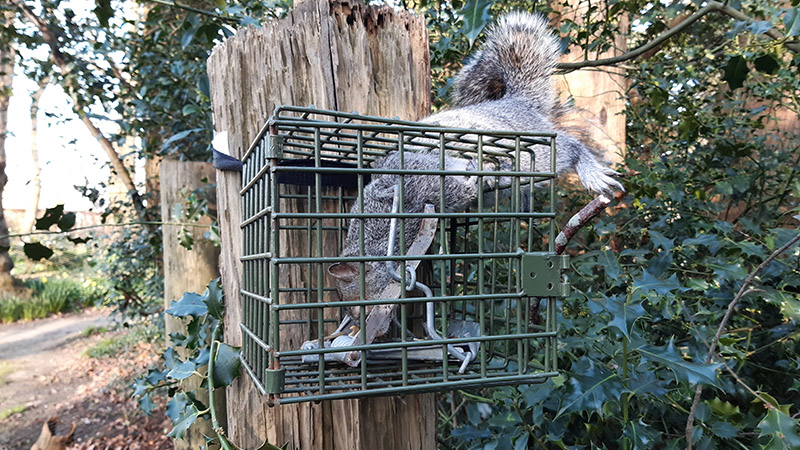
- Where to buy traps and how to use them;
- How to deal with grey squirrels in your loft;
- Finding a fully trained person or company to control grey squirrels for you;
- Help setting up grey squirrel control groups;
- Work with other organizations to achieve these policy objectives;
Grey Squirrel Control Service
We offer a control service to homeowners, estates, small woodland owners, environmental organisations, forestry, trusts and charities.
We carry out the control service ourselves in Hampshire, Berkshire, Surrey and South East Wiltshire areas outside of this we can arrange a qualified technician to carry out grey squirrel control for you.
Please contact us to discuss your needs or to arrange a no obligation site visit and quote.
Local: 01256 352981
Tel: 07861 711968
Email: info@greysquirrelcontrol.co.uk
Alternatively please use the form below.
We have opened a new forum for anyone looking for help and advice on all aspects of squirrel control.
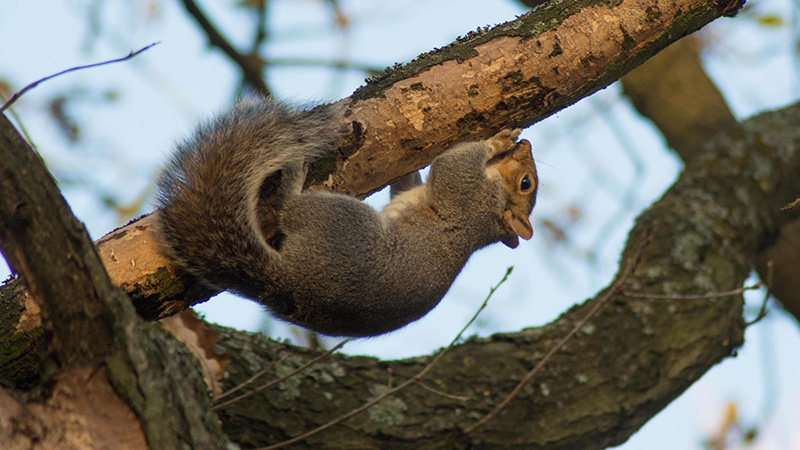
Bark stripping damage varies across sites and between years and is difficult to predict. Thin barked species such as sycamore, beech, oak, sweet chestnut, pine, larch and Norway spruce are most at risk.... more
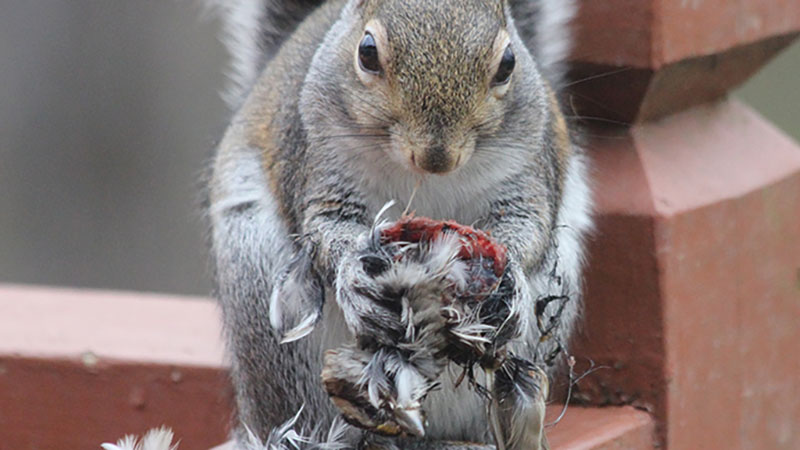
Grey squirrels eat birds eggs and nestlings, and have been pinpointed as the main reason of decline in certain species. The breeding success of British songbirds could be dramatically affected by grey squirrels.... more
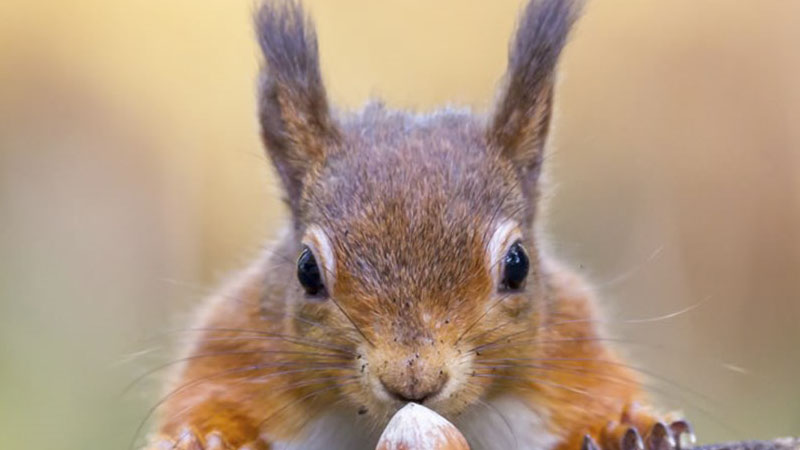
Squirrel pox is a viral disease affecting red squirrels, killing them within 15 days of infection. It is carried by grey squirrels, which show no symptoms of disease, and continue to thrive and breed while carrying the virus.... more